
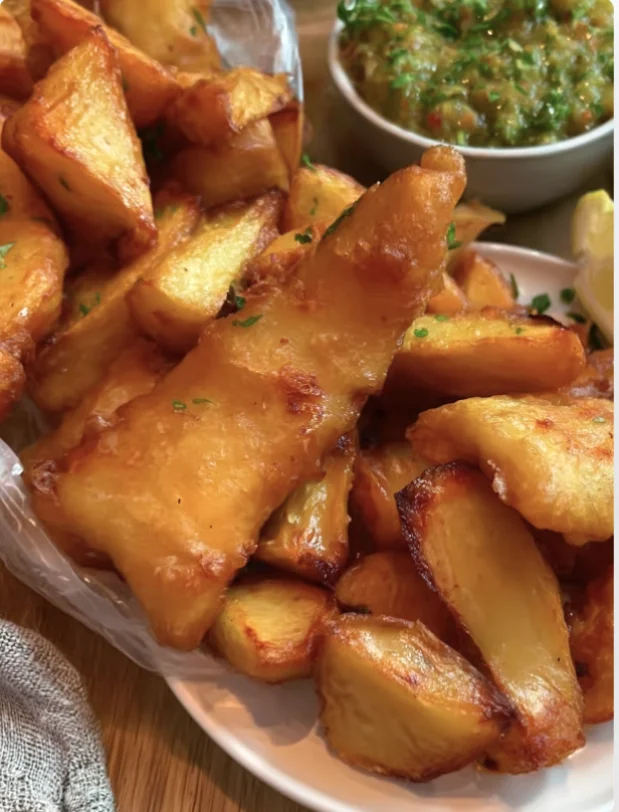
Classic Fish and Chips
There’s something undeniably comforting about a plate of classic fish and chips, a dish that has not only become a staple in British cuisine but also a beloved comfort food around the world. This iconic meal features crispy battered fish paired with golden fries, often accompanied by a tangy homemade tartar sauce. The contrast of the flaky fish and crunchy batter combined with the soft, fluffy fries creates a delightful experience that satisfies the senses. The aroma of freshly fried fish is enough to make anyone’s mouth water, and when served hot, it truly shines. Whether enjoyed in a traditional pub or made at home, fish and chips evoke a sense of nostalgia and warmth, making it the perfect quick and easy dinner idea for any night of the week. Not only does this dish offer a satisfying meal, but it also provides a wonderful opportunity to gather around the table with family and friends, sharing stories and enjoying delicious food together.
Originating from the working-class communities of England, fish and chips have a rich history that dates back to the 19th century. This dish became popular during the Industrial Revolution when it provided a hearty meal for workers. As you prepare this dish, you are participating in a culinary tradition that has stood the test of time, celebrating the simple yet profound pleasure of good food shared with family and friends. The preparation of fish and chips not only showcases the skill of frying but also highlights the importance of quality ingredients. This recipe is designed to guide you through making perfect fish and chips from scratch, ensuring that each bite is as satisfying as the last. You can learn more about this topic and immerse yourself in the cultural significance of this beloved dish, as it reflects the heart and soul of British culinary heritage.
Ingredients
For the Fish
- 4 pieces of firm white fish fillets (cod or haddock recommended, about 6 oz each) — look for fish that has a translucent appearance and a fresh ocean smell. Freshness is key for the best flavor and texture.
- 1 cup all-purpose flour (for dredging) — using a high-quality brand can enhance the texture, leading to a crispier batter.
- 1 cup cold sparkling water — the carbonation helps create a light, airy batter that fries beautifully, contributing to that signature crunch.
- 1 teaspoon baking powder — this ingredient is crucial for achieving that perfect lift in the batter, making it light and fluffy.
- Salt and pepper to taste — season generously for optimal flavor; a little extra salt can really elevate the dish.
- Vegetable oil for deep frying — canola or peanut oil is ideal due to their high smoke points, ensuring you achieve the perfect frying temperature.
For the Fries
- 4 large russet potatoes — these are ideal for frying due to their high starch content, which results in fluffy interiors and crispy exteriors.
- Salt to taste — season while the fries are hot to ensure the salt adheres properly and enhances the flavor.
- Vegetable oil for frying — similar to the oil for fish, choose an oil with a high smoke point for best results, avoiding oils that can impart unwanted flavors.
For the Homemade Tartar Sauce
- 1 cup mayonnaise — use a good quality mayonnaise for the best flavor; homemade mayonnaise is an excellent option if you prefer.
- 2 tablespoons capers, finely chopped — these add a delightful briny kick that complements the fish beautifully.
- 2 tablespoons dill pickle relish — provides sweetness and texture that complements the fish, balancing the richness of the batter.
- 1 tablespoon fresh lemon juice — brightens the sauce and balances flavors, giving it a refreshing finish.
- 1 teaspoon Dijon mustard — adds a subtle tang that elevates the sauce, making it more complex and interesting.
- Salt and pepper to taste — adjust to your preference for seasoning, ensuring the sauce pairs perfectly with the fish.
Note: For best results, use fresh fish sourced from a reputable provider. Frozen fish can be used in a pinch, but ensure it is fully thawed and patted dry before preparing to avoid excess moisture, which can affect the batter. It is crucial to keep the fish at room temperature before frying to promote even cooking. Check out our related guide for more tips on selecting and preparing your ingredients effectively, helping you to achieve the best results in your fish and chips adventure.
Steps / Instructions
- Prepare the fries: Start by peeling the russet potatoes and cutting them into thick strips (about 1/4 to 1/2 inch wide). Rinse the cut potatoes in cold water to remove excess starch, which helps prevent them from sticking together. Pat them dry with a kitchen towel to ensure they fry well and become crispy. This step is crucial for achieving that perfect fry.
- Soak the fries: Place the cut potatoes in a bowl of cold water and let them soak for at least 30 minutes. This soaking process is essential as it helps to achieve that perfect crispy texture by removing extra starch and allowing the fries to cook more evenly, enhancing their overall quality.
- Make the batter: In a large mixing bowl, combine the flour, baking powder, salt, and pepper. Gradually whisk in the cold sparkling water until the batter is smooth and free of lumps. The cold water is key to achieving a light and crispy batter; you want it to be thick enough to coat the fish but not so thick that it weighs it down. Take care to mix gently to preserve the bubbles from the sparkling water, as they contribute to the batter’s flakiness.
- Heat the oil: In a deep frying pan or fryer, heat vegetable oil to 350°F (175°C). Use enough oil to fully submerge the fish and fries to ensure they cook evenly and develop a golden-brown color. A thermometer is essential for maintaining the correct temperature, as fluctuations can lead to greasy food. If you don’t have a thermometer, drop a small amount of batter into the oil—if it sizzles and rises to the surface, the oil is ready.
- Fry the fries: Drain the soaked potatoes and pat them dry once more. Carefully lower the fries into the hot oil in batches, avoiding overcrowding. Fry the potatoes for about 5-7 minutes or until they turn golden brown and crisp. Use a slotted spoon to remove them and drain on paper towels. Season with salt immediately to ensure the flavor sticks, making sure to coat every fry.
- Fry the fish: Pat the fish fillets dry with paper towels. Dip each fillet into the flour for a light coating, shaking off any excess. Then dip the fillet into the prepared batter, ensuring it is fully coated. Carefully lower the battered fish into the hot oil, frying in batches for about 4-6 minutes on each side, or until the batter is golden brown and crispy. The fish should flake easily with a fork when done, ensuring it is cooked through without being overdone.
- Prepare the tartar sauce: While the fish is frying, combine mayonnaise, chopped capers, dill pickle relish, lemon juice, Dijon mustard, salt, and pepper in a small bowl. Mix well and adjust the seasoning to taste, ensuring it complements the fish perfectly. Allow the sauce to sit for a few minutes to let the flavors meld together, enhancing its taste and making it a delightful accompaniment.
- Serve: Drain the fried fish on paper towels, ensuring to let the excess oil drip off. Serve hot alongside the crispy fries. Don’t forget a generous dollop of the homemade tartar sauce for dipping! Garnish with lemon wedges for added freshness and a touch of acidity that brightens the dish.
Tips & Tricks
To ensure your fish and chips turn out perfectly, consider these tips:
- Choose the right fish: The best fish for frying includes cod, haddock, and pollock, which provide a mild flavor and flaky texture. Make sure the fish is fresh for optimal taste; check for clear eyes and bright red gills when selecting your fish. This attention to detail will enhance the overall quality of your dish.
- Maintain oil temperature: A thermometer is your best friend when deep frying. Keeping the oil at a consistent temperature (350°F) ensures even cooking and prevents greasy food; if the oil is too cool, the batter will absorb excess oil, becoming soggy. Conversely, if the oil is too hot, it will burn the batter before the fish is fully cooked.
- Double fry for extra crispiness: For even crispier fries, consider frying them twice: first at a lower temperature (about 325°F) until soft, then again at 350°F until golden brown. This technique is a favorite among chefs for achieving the perfect texture, ensuring your fries are crunchy on the outside and fluffy on the inside.
- Make-ahead options: You can prepare the tartar sauce and cut the fries a day in advance. Store the tartar sauce in the refrigerator and soak the fries in water to keep them fresh. This not only saves time but also allows for better flavor development in the sauce, making it even tastier when you serve it.
- Avoid common mistakes: Don’t overcrowd the fryer, as it can reduce the oil temperature and lead to soggy food. Fry in small batches for the best results, and ensure your fish and chips are served immediately for maximum crispiness. This is vital for achieving that perfect restaurant-quality experience at home.
Classic Fish and Chips
A comforting dish featuring crispy battered fish paired with golden fries, often accompanied by a tangy homemade tartar sauce.
Ingredients
- 4 pieces of firm white fish fillets (cod or haddock recommended, about 6 oz each)
- 1 cup all-purpose flour (for dredging)
- 1 cup cold sparkling water
- 1 teaspoon baking powder
- Salt and pepper to taste
- Vegetable oil for deep frying
- 4 large russet potatoes
- Salt to taste (for fries)
- 1 cup mayonnaise (for tartar sauce)
- 2 tablespoons capers, finely chopped
- 2 tablespoons dill pickle relish
- 1 tablespoon fresh lemon juice
- 1 teaspoon Dijon mustard
- Salt and pepper to taste (for tartar sauce)
Directions
Prepare the fries: Start by peeling the russet potatoes and cutting them into thick strips (about 1/4 to 1/2 inch wide). Rinse the cut potatoes in cold water to remove excess starch, which helps prevent them from sticking together. Pat them dry with a kitchen towel to ensure they fry well and become crispy.
Soak the fries: Place the cut potatoes in a bowl of cold water and let them soak for at least 30 minutes.
Make the batter: In a large mixing bowl, combine the flour, baking powder, salt, and pepper. Gradually whisk in the cold sparkling water until the batter is smooth and free of lumps.
Heat the oil: In a deep frying pan or fryer, heat vegetable oil to 350°F (175°C).
Fry the fries: Drain the soaked potatoes and pat them dry once more. Carefully lower the fries into the hot oil in batches, frying for about 5-7 minutes or until golden brown.
Fry the fish: Pat the fish fillets dry with paper towels. Dip each fillet into the flour for a light coating, then dip into the batter. Carefully lower the battered fish into the hot oil, frying for about 4-6 minutes on each side.
Prepare the tartar sauce: While the fish is frying, combine mayonnaise, chopped capers, dill pickle relish, lemon juice, Dijon mustard, salt, and pepper in a small bowl.
Serve: Drain the fried fish on paper towels and serve hot alongside the crispy fries and homemade tartar sauce.
Nutrition Facts
Recipe Reviews
- ★★★★★
Excellent recipe!
Leave a Reply
Your email address will not be published. Required fields are marked *


Excellent recipe!