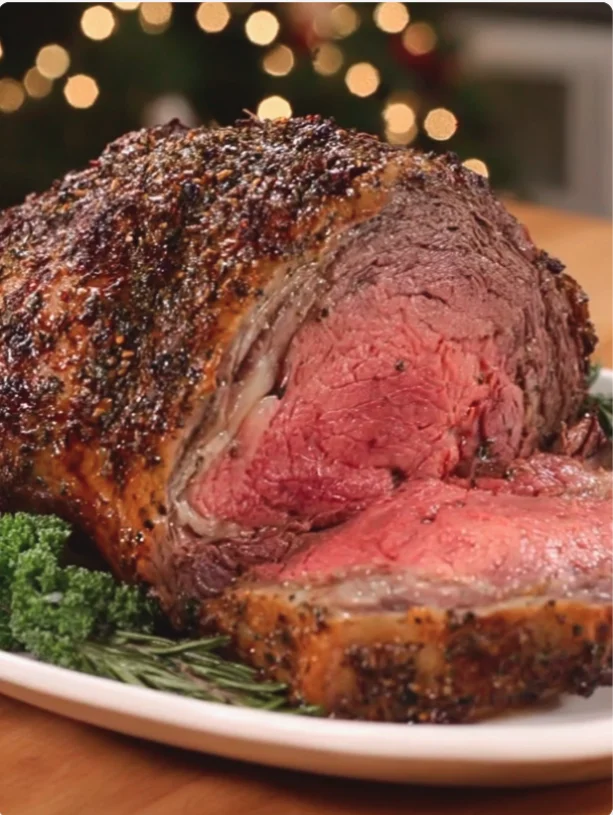
When it comes to classic holiday fare, few dishes impress quite like the Best Prime Rib Roast. This succulent centerpiece not only brings a touch of elegance to your table but also offers a wealth of mouthwatering flavors that delight the senses. Known for its tender meat and rich marbling, prime rib has a storied history in American cuisine, often served at festive occasions and family gatherings. The tradition of roasting beef dates back centuries, with origins tracing back to European feasts where large cuts of meat were a symbol of prosperity and celebration. While there are many methods to prepare this cut, mastering the art of the perfect prime rib roast can turn any dinner into a memorable event. Every bite showcases the harmonious balance of flavors that make this dish a beloved favorite among meat lovers. Not only does it provide a satisfying meal, but it also offers a communal experience, as families gather around the table to enjoy the feast. The experience of carving into a beautifully cooked prime rib roast brings with it a sense of anticipation, as each slice reveals that perfectly cooked, inviting pink interior.
Ingredients
- For the Prime Rib:
- 1 (5-7 lb) bone-in prime rib roast, at room temperature
- 2 tablespoons kosher salt
- 1 tablespoon black pepper
- 4 cloves garlic, minced
- 2 tablespoons fresh rosemary, chopped
- 2 tablespoons fresh thyme, chopped
- 2 tablespoons olive oil
- For the Classic Au Jus Sauce:
- 2 cups beef broth
- 1 cup red wine (preferably Cabernet Sauvignon)
- 1 tablespoon cornstarch (optional, for thickening)
- Salt and pepper to taste
When selecting your prime rib, aim for a well-marbled cut, as this will yield a more flavorful and juicy roast. The marbling refers to the intramuscular fat that melts during cooking, imparting moisture and richness. If you prefer a more intense flavor, consider using a dry-aged prime rib. Dry-aging enhances the beef’s flavor and tenderness, as the meat undergoes a natural enzymatic process that breaks down muscle fibers. This technique can elevate the overall taste experience, offering a depth that is truly unparalleled and often sought after by culinary enthusiasts. While shopping, choose a roast with a consistent, bright red color and avoid any that seem overly dry or discolored. You can learn more about this topic and its significance in culinary traditions. Remember, quality ingredients are key to achieving the Best Prime Rib Roast, so consider sourcing your meat from a reputable butcher who can guide you in selecting the perfect cut.
Steps / Instructions
- Prepare the Roast: Take the prime rib roast out of the refrigerator and let it sit at room temperature for at least 2 hours before cooking. This ensures even cooking throughout, preventing a cold center while the exterior cooks. This step is crucial for achieving that perfect doneness, as meat cooked from a colder temperature can end up uneven, with a well-done exterior and undercooked interior. Allowing the meat to rest also helps to relax the muscle fibers, making for a more tender final product.
- Preheat the Oven: Preheat your oven to 450°F (232°C). This high temperature will help create a beautiful crust on the roast, sealing in the juices for a succulent result. Make sure to allow ample time for the oven to reach the desired temperature before placing the meat inside, as this high heat is key to achieving those flavorful searing reactions. Ensuring that your oven is fully preheated not only aids in crust formation but also promotes even cooking throughout the roast.
- Season the Roast: In a small bowl, mix together the kosher salt, black pepper, minced garlic, chopped rosemary, chopped thyme, and olive oil to form a paste. Rub this mixture evenly all over the prime rib, covering all sides. Ensure to get into the nooks and crannies to maximize flavor absorption; the more evenly you distribute the seasoning, the better the flavor profile will be. Consider letting the roast sit with the seasoning for an additional 30 minutes for deeper flavor infusion. The aromatic herbs and garlic will permeate the meat, enhancing every bite.
- Roast the Prime Rib: Place the seasoned roast on a rack in a roasting pan, bone side down. Insert a meat thermometer into the thickest part of the meat, avoiding the bone, as this will give you an inaccurate reading. Roast at 450°F (232°C) for 20 minutes to develop a crust. This initial high-heat phase is essential for flavor development, and you should begin to smell the wonderful aroma of roasting beef permeating your kitchen. This enticing scent is a precursor to the succulent experience awaiting you at the dinner table.
- Lower the Temperature: After 20 minutes, reduce the oven temperature to 325°F (163°C) and continue roasting until the internal temperature reaches your desired doneness, typically 130°F (54°C) for medium rare. This may take an additional 1.5 to 2 hours. Keep an eye on the thermometer, as the cooking time can vary based on the roast’s exact size. A general rule of thumb is to allow approximately 15-20 minutes per pound of meat once the temperature is lowered. Monitoring the roast closely during this phase will help ensure you achieve your preferred doneness without overcooking.
- Rest the Roast: Once the desired temperature is reached, remove the roast from the oven and cover it loosely with aluminum foil. Let it rest for at least 20-30 minutes. This allows the juices to redistribute, resulting in a more tender prime rib. Cutting too early can lead to a juiceless slice, so patience is key here. The resting time is also an opportunity to prepare your sides and sauces, ensuring that everything is ready for a seamless presentation when it’s time to serve.
- Make the Au Jus Sauce: While the roast is resting, pour the drippings from the roasting pan into a saucepan. Add beef broth and red wine. Bring to a simmer over medium heat, scraping the bottom of the pan to incorporate the flavorful bits. These bits, or fond, are packed with flavor and are key to a delicious sauce. As the sauce simmers, taste and adjust the seasoning with salt and pepper. If you prefer a thicker sauce, mix cornstarch with a bit of water to create a slurry and stir it in while simmering to achieve the desired consistency. This sauce will complement the rich flavors of the Best Prime Rib Roast beautifully, enhancing each bite.
- Slice and Serve: After resting, slice the prime rib into thick slices. Serve with the classic au jus sauce on the side, allowing guests to customize their portion with a drizzle of sauce. Each slice should present that stunning pink interior, a hallmark of the Best Prime Rib Roast. A well-carved roast not only looks appealing but also offers the best texture and flavor in every bite. Consider garnishing the serving platter with fresh herbs for an elegant touch that enhances both presentation and aroma.
Tips & Tricks
- Choose the Right Cut: Look for a prime rib roast with a good fat cap and marbling. This will enhance the flavor and juiciness significantly. The fat melts during cooking, keeping the meat moist, while the bone can also add extra flavor as it cooks. A bone-in roast often yields a richer taste, making it a more desirable option for special occasions.
- Season Generously: Don’t be shy with the seasoning. A well-seasoned roast will elevate the flavor significantly. Consider adding some smoked paprika or onion powder for an extra depth of flavor. The seasoning mixture can also include a touch of Dijon mustard for an added layer of complexity that can surprise and delight your guests.
- Use a Meat Thermometer: To ensure perfect doneness, use a meat thermometer. Remove the roast from the oven at 120°F (49°C) for rare, 130°F (54°C) for medium rare, and 140°F (60°C) for medium. This tool is invaluable for achieving the precise doneness you desire and will help ensure your guests enjoy their roast just the way they like it. Trusting the thermometer will guide you to a perfectly cooked roast every time.
- Storage: Leftover prime rib can be stored in an airtight container in the refrigerator for up to 3 days. It can also be sliced and frozen for up to 3 months, making it a great option for meal prep or unexpected gatherings. To reheat, do so gently in the oven or microwave, wrapped in foil to keep moisture in and avoid drying out the meat. Leftover prime rib can also be repurposed into delicious sandwiches or salads for a creative twist.
- Common Mistakes: Avoid slicing the roast too soon; resting is crucial for retaining moisture. Additionally, ensure your oven is fully preheated before placing the roast inside to guarantee even cooking. Another common mistake is overcrowding the roasting pan, which can cause the meat to steam rather than roast. A properly spaced roast will lead to that desirable crust and tender interior you’re aiming for.
Conclusion
Now that you have the components of the Best Prime Rib Roast, we encourage you to create this unforgettable dish for your next special occasion. With its savory flavors and tender texture, it’s sure to impress your family and friends at any holiday roast dinner. Whether you enjoy it with classic au jus or as part of a festive dinner spread, this prime rib roast will leave everyone asking for seconds. Happy cooking! Check out our related guide for more tips to enhance your culinary adventures.


Excellent recipe!