Indulge in the tropical flavors of Coconut Shrimp Curry, a dish that seamlessly marries the sweetness of coconut with the tender, juicy shrimp and aromatic spices of Thai cuisine. This recipe is not just a meal; it’s a culinary escape that transports you to a sunny beach with its vibrant colors and enticing scents. Originating from Southeast Asia, coconut curries are a staple in many households, cherished for their creamy texture and rich flavor. With this shrimp curry recipe, you’re not only serving a delightful dish but also a piece of cultural heritage. The inclusion of fresh ingredients and spices elevates this dish, making it perfect for both everyday meals and special occasions. The interplay of flavors in this Coconut Shrimp Curry creates a harmony that is both comforting and exhilarating, ensuring that each bite is a celebration of taste and texture. It’s also a versatile dish that adapts well to various palates, making it a great choice for family dinners or entertaining guests.
Ingredients
- For the Curry:
- 1 lb (450g) raw shrimp, peeled and deveined
- 1 cup (240ml) canned coconut milk
- 2 tablespoons red curry paste
- 1 tablespoon vegetable oil
- 1 onion, finely chopped
- 2 garlic cloves, minced
- 1 tablespoon ginger, grated
- 1 bell pepper, thinly sliced (red or yellow)
- 1 cup (150g) snap peas or green beans
- 1 tablespoon fish sauce (or soy sauce for a vegetarian option)
- 1 tablespoon brown sugar
- Juice of 1 lime
- Fresh cilantro, for garnish
- For Serving:
- Cooked jasmine rice or quinoa
- Chili flakes or fresh chilies, for additional heat (optional)
When selecting your shrimp, opt for high-quality, fresh or frozen shrimp with a sweet, briny aroma. Look for shrimp that are firm to the touch and have a translucent appearance, indicating freshness. The coconut milk is best when it’s full-fat, ensuring a creamy texture that enhances the curry’s flavor. For the curry paste, feel free to adjust the amount based on your heat preference, especially if you’re looking to create a spicy shrimp curry that packs a punch. You can use homemade curry paste for a fresher taste or purchase it from a store. Always check the label for quality ingredients. It’s interesting to note that different regions may have their unique takes on Coconut Shrimp Curry, varying the spice levels and ingredients to suit local tastes. For instance, some might add fresh basil or lemongrass to enhance the aroma. You can learn more about this topic.
Steps / Instructions
- Prepare the Rice: Cook jasmine rice or quinoa according to package instructions. This will serve as the base for your coconut shrimp with rice. Typically, jasmine rice takes about 15-20 minutes to cook and requires a water-to-rice ratio of 1.5:1. You can also rinse the rice before cooking to remove excess starch, resulting in fluffier grains. This step is essential to ensure a perfect texture that will complement the rich curry.
- Heat the Oil: In a large skillet or wok, heat 1 tablespoon of vegetable oil over medium heat. Ensure the oil is hot enough to shimmer, which indicates it’s ready for the next step. This is crucial as it helps to sauté the ingredients evenly, allowing them to release their flavors into the oil.
- Sauté Aromatics: Add the chopped onion, minced garlic, and grated ginger to the skillet. Sauté for 3-4 minutes, or until the onion becomes translucent and fragrant. This step is crucial as it builds the flavor base for the curry. The aroma released during this process is a hint of the deliciousness to come, filling the kitchen with enticing scents that will have everyone anticipating the meal.
- Add Curry Paste: Stir in the red curry paste, cooking for another 1-2 minutes until it releases its essential oils and flavors. The paste should darken slightly as it cooks; keep stirring to prevent it from burning. This step is vital for ensuring that the spices bloom and infuse the oil, creating a depth of flavor that will permeate the entire dish.
- Incorporate Vegetables: Add the sliced bell pepper and snap peas. Cook for 4-5 minutes, stirring occasionally until the vegetables are tender-crisp. Look for bright colors and a slight char on the edges to enhance flavor. The vibrant colors not only make the dish visually appealing but also signal that the vegetables are cooked to perfection, adding a delightful crunch to the creamy curry.
- Add Shrimp: Gently fold in the raw shrimp, ensuring they are well coated with the curry paste and vegetable mixture. Cook for about 2-3 minutes until the shrimp turn pink and opaque. Stir occasionally to ensure even cooking. This is an important moment; the shrimp should be cooked just right, as overcooking can lead to a rubbery texture. The transformation of the shrimp’s color is a clear indicator that they are perfectly cooked.
- Pour in Coconut Milk: Pour the coconut milk into the skillet, stirring to combine all the ingredients. Bring the mixture to a gentle simmer, allowing it to thicken slightly for about 5 minutes. The coconut milk will meld with the spices, creating a creamy sauce that envelops the shrimp and vegetables in richness, enhancing the overall flavor profile of the dish.
- Season the Curry: Stir in the fish sauce, brown sugar, and lime juice. Taste and adjust the seasoning as necessary, adding more fish sauce for saltiness or lime juice for acidity. This balance is key to achieving that authentic flavor. The sweet, salty, and tangy elements should harmonize beautifully to enhance the overall profile of the dish, making each bite a delightful experience.
- Finish and Serve: Once the shrimp are fully cooked, remove the skillet from heat. Serve the coconut shrimp curry over the cooked rice or quinoa, garnished with fresh cilantro and, if desired, a sprinkle of chili flakes for extra heat. For added flair, consider adding lime wedges to the plate for guests to squeeze fresh juice over their serving, injecting a burst of freshness that elevates the dish even further.
Tips & Tricks
To achieve the best results with your Coconut Shrimp Curry, consider the following tips: Check out our related guide for more tips.
- Storage: Leftovers can be stored in an airtight container in the refrigerator for up to 3 days. Reheat gently on the stovetop or in the microwave until warmed through. For best results, reheat on low to prevent the shrimp from becoming rubbery, which can happen if they are overheated. It’s advisable to avoid freezing the curry, as the texture of the shrimp may not hold up well after thawing; however, the sauce can be frozen separately for later use.
- Make Ahead: You can prepare the curry paste and chop the vegetables in advance. Store them separately in the refrigerator for up to 24 hours to save time during cooking. This preparation allows the flavors to meld beautifully and can make for an even more flavorful curry, enhancing the dish’s depth when it’s finally cooked.
- Avoid Overcooking: Shrimp cook quickly; keep an eye on them to prevent a rubbery texture. Remove them from heat as soon as they turn pink and firm. A good rule of thumb is to cook them just until they are opaque. Remember that they will continue to cook slightly after being removed from the heat; this residual cooking can help achieve the ideal texture without overcooking.
- Customize Spice Level: Adjust the quantity of red curry paste based on your heat preference. You can also add additional fresh chilies during cooking for an extra kick. For a milder flavor, consider adding a splash of coconut milk to tone down the heat without losing the creamy essence of the dish, ensuring that everyone can enjoy it regardless of their spice tolerance.
Conclusion
Now that you have the complete guide to making Coconut Shrimp Curry, it’s time to bring the essence of the tropics into your kitchen. This dish not only showcases a perfect blend of flavors but also offers a comforting meal ideal for any night of the week. Whether you’re looking to impress guests or simply satisfy your cravings, this recipe is sure to become a favorite. Don’t hesitate to share your experience or any tips you discover along the way! Enjoy your culinary adventure and the delightful taste of this exquisite shrimp curry, and let it transport you to a beachside paradise with every bite!
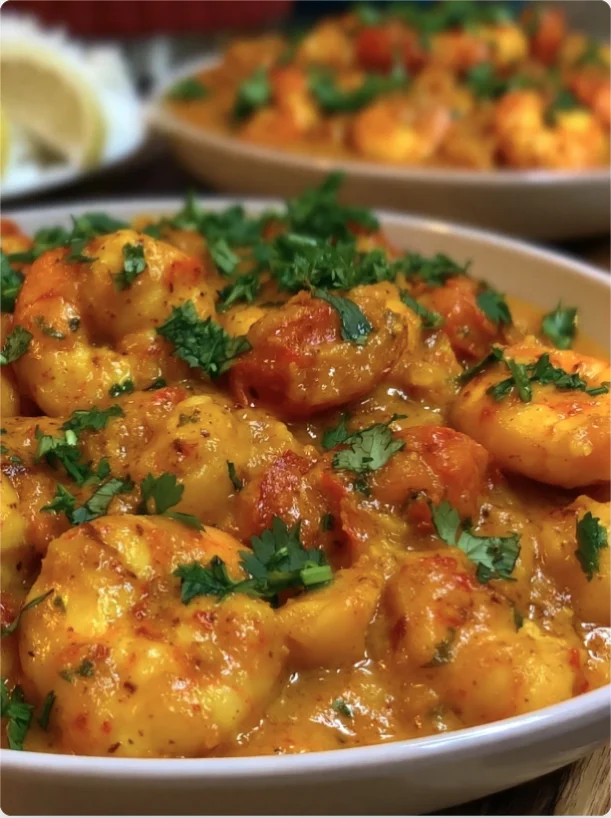
Indulge in the tropical flavors of Coconut Shrimp Curry, a dish that seamlessly marries the sweetness of coconut with the tender, juicy shrimp and aromatic spices of Thai cuisine. This recipe is not just a meal; it's a culinary escape that transports you to a sunny beach with its vibrant colors and enticing scents.
Ingredients
- 1 lb (450g) raw shrimp, peeled and deveined
- 1 cup (240ml) canned coconut milk
- 2 tablespoons red curry paste
- 1 tablespoon vegetable oil
- 1 onion, finely chopped
- 2 garlic cloves, minced
- 1 tablespoon ginger, grated
- 1 bell pepper, thinly sliced (red or yellow)
- 1 cup (150g) snap peas or green beans
- 1 tablespoon fish sauce (or soy sauce for a vegetarian option)
- 1 tablespoon brown sugar
- Juice of 1 lime
- Fresh cilantro, for garnish
- Cooked jasmine rice or quinoa
- Chili flakes or fresh chilies, for additional heat (optional)
Instructions
Cook jasmine rice or quinoa according to package instructions.
In a large skillet or wok, heat 1 tablespoon of vegetable oil over medium heat.
Add the chopped onion, minced garlic, and grated ginger to the skillet and sauté for 3-4 minutes.
Stir in the red curry paste and cook for another 1-2 minutes.
Add the sliced bell pepper and snap peas, and cook for 4-5 minutes.
Gently fold in the raw shrimp and cook for 2-3 minutes until they turn pink.
Pour the coconut milk into the skillet, stirring to combine, and bring to a gentle simmer for about 5 minutes.
Stir in the fish sauce, brown sugar, and lime juice, adjusting seasoning as necessary.
Once the shrimp are fully cooked, remove the skillet from heat and serve over the cooked rice or quinoa, garnished with fresh cilantro.
Recipe Reviews
- ★★★★★
Excellent recipe!
Leave a Reply
Your email address will not be published. Required fields are marked *






Excellent recipe!